

Understanding the psychological impact of gambling on decision-making processes
The Nature of Gambling and Its Psychological Effects
Gambling is often perceived as a thrilling activity, enticing individuals with the potential for significant rewards. However, the psychological underpinnings of gambling go beyond mere entertainment. The anticipation and excitement of winning can trigger the release of dopamine, a neurotransmitter associated with pleasure and reward. This biochemical response can create a cycle of craving and risk-taking, influencing an individual’s decision-making processes in profound ways. Through our guide to best new casinos online, players can explore how these psychological elements impact their gaming experiences.
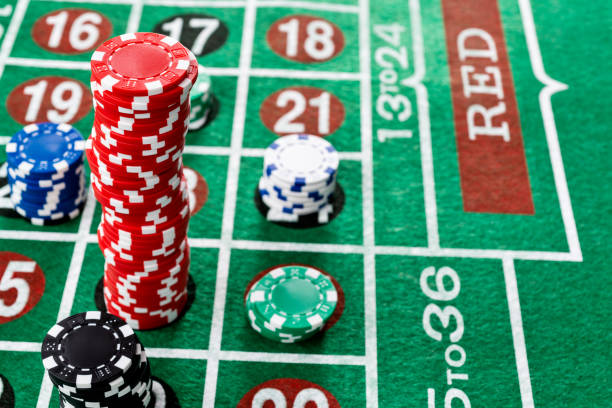
The pleasure derived from gambling can lead to an altered perception of risk. Many gamblers may underestimate the odds of losing, fueled by past winnings or the allure of a potential jackpot. This distorted view of reality can cloud judgment, resulting in decisions driven more by emotion than logic. Understanding these psychological effects is critical for anyone involved in or considering gambling.
The Role of Cognitive Biases in Gambling
Cognitive biases play a significant role in how individuals perceive and engage with gambling activities. One common bias is the “gambler’s fallacy,” where individuals believe that past outcomes affect future probabilities. For instance, if a player experiences a series of losses, they may convince themselves that a win is ‘due,’ leading to reckless betting behavior.
Another prevalent bias is the illusion of control, where gamblers believe they can influence the outcome of random events through skill or strategy. This perception can lead to overconfidence in decision-making, further entrenching the gambler in a cycle of risk-taking behavior. Recognizing these biases is essential for understanding how they impact decision-making and can lead to problematic gambling habits.
The Impact of Emotions on Gambling Decisions
Emotions play a critical role in gambling behavior, often driving impulsive decisions. For many, gambling serves as an escape from stress or negative feelings, leading to decisions based more on emotional states than rational thought. High-stress situations may prompt individuals to gamble recklessly, seeking a quick emotional lift from the excitement of potential wins.
Conversely, feelings of frustration or disappointment from losses can lead to chasing losses, where a player continues to gamble in an attempt to recover their earlier losses. This emotional rollercoaster can severely impair decision-making abilities, making it challenging for gamblers to recognize when to stop or reassess their strategies.
Social Influences on Gambling Behavior
Social dynamics can significantly shape an individual’s gambling decisions. Peer pressure or the desire to fit in can lead individuals to engage in gambling activities that they might otherwise avoid. Social environments, such as casinos or betting venues, often foster a culture of risk-taking, which can reinforce decision-making patterns that prioritize immediate gratification.
Moreover, the influence of social media and online communities can amplify these effects, creating a sense of belonging around gambling activities. This communal aspect can enhance feelings of validation and excitement, further complicating an individual’s relationship with gambling. Understanding these social influences is crucial for comprehending the broader psychological impacts on decision-making processes.

Enhancing Responsible Gambling Awareness
As the understanding of the psychological impacts of gambling on decision-making processes evolves, so does the importance of promoting responsible gambling practices. It is vital for individuals to recognize the signs of problematic gambling behavior and seek help when necessary. Awareness campaigns and educational resources play a crucial role in informing individuals about the risks associated with gambling.
Moreover, tools that encourage self-regulation, such as setting limits on spending and time spent gambling, can help mitigate the adverse effects of gambling on decision-making. Communities and organizations dedicated to responsible gambling offer resources that assist individuals in making informed choices, ensuring that gambling remains an enjoyable activity rather than a detrimental one.


